RSS

Blog posts of '2026' 'April'

May Greenhouse Maintenance Masterclass
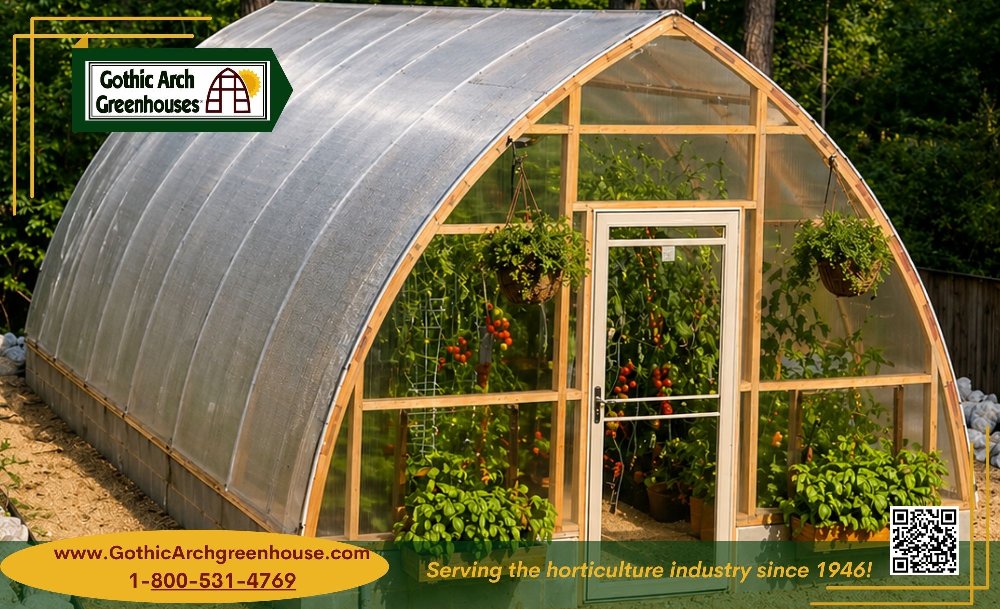
A bright Gothic Arch greenhouse filled with tomato and basil plants, open vent windows, and shade cloth ready for summer

May Maintenance Masterclass: Transitioning Your Greenhouse from Spring to Summer

Expert guidance from Gothic Arch Greenhouses • Family owned since 1946

Your greenhouse helped carry tender seedlings through cool spring nights. Now May brings longer days, warmer afternoons, and stronger sunlight. Without a seasonal maintenance plan, that protected growing space can heat up quickly, stressing your plants.

The good news is that a few smart adjustments can make a big difference. By checking ventilation, adding shade, improving irrigation, and rotating crops at the right time, you can keep your greenhouse productive as summer approaches. This May maintenance masterclass will help you prepare with confidence.

1. Check Ventilation Before Heat Builds Up

The weather can change fast. A cool morning can turn into a warm afternoon, and greenhouse temperatures may rise much higher than outdoor temperatures. Once outdoor temperatures reach the 70s, passive airflow may not be enough to protect tender plants from heat stress.

Start by testing roof vents, side vents, louvers, circulation fans, exhaust fans, and thermostats. Clean away dust and pollen, tighten loose hardware, and make sure moving parts open smoothly. If your greenhouse uses automatic vent openers, confirm they respond properly as temperatures rise.

 Automatic Ventilation Solutions

Automatic ventilation systems help maintain steadier greenhouse temperatures without constant manual adjustment. They are especially helpful during May’s unpredictable spring-to-summer transition.

Explore Ventilation Systems →

Pro tip: Inspect louvers and exhaust fans early in the month. Clean the fan blades, test the thermostat settings, and lubricate the hinges or arms as needed. If you are building a greenhouse, review Gothic Arch’s greenhouse-building instructions for helpful placement guidance.

 2. Add Shade to Prevent Leaf Scorch and Bolting

As daylight strengthens, some crops struggle with the extra heat and light. Lettuce, spinach, arugula, cilantro, and other cool-season plants may bolt quickly. Even warm-season crops, such as tomatoes and peppers, can suffer from transplant shock if light levels climb too fast.

Shade cloth helps soften intense sunlight, reduce heat buildup, and extend harvest windows. Many growers use 30% to 50% shade depending on crop type, region, and greenhouse exposure. A lower shade percentage may work well for tomatoes and peppers, while tender greens often benefit from stronger protection.

 Greenhouse Shade and Cooling Accessories

Greenhouse-grade shade cloth, clips, and cooling accessories help protect transplants, reduce leaf scorch, and support steady summer production.

Shop Shade Solutions →

 3. Adjust Watering for Faster Growth and Warmer Days

Plants grow quickly in May, but water also evaporates faster. A watering routine that worked in April may no longer be enough. Check container moisture more often, especially for seedlings, hanging baskets, grow bags, and crops near greenhouse edges, where heat can build up.

Morning watering is usually best because it gives foliage time to dry before night. For better efficiency, consider drip irrigation, timers, capillary mats, or misting systems. These tools deliver water more evenly, help reduce waste, and keep roots consistently moist.

 Water-Saving Irrigation Kits

Timers, drip irrigation, and greenhouse watering kits can simplify plant care for both home gardeners and commercial growers. They help maintain moisture while reducing overwatering and disease pressure.

View Irrigation Systems →

Quick tip: Add mulch to larger containers or raised beds inside the greenhouse to slow surface evaporation. For smaller growing spaces, explore greenhouse options

4. Rotate Spring Crops and Make Room for Summer Favorites

May is a bridge month in the greenhouse. Cool-season crops are finishing, while heat-loving plants are ready to take center stage. Harvest remaining lettuce, kale, radishes, peas, spinach, and cilantro before they bolt. Then refresh beds or containers for tomatoes, peppers, cucumbers, basil, okra, eggplant, beans, and squash.

Before moving summer crops into permanent spots, make sure nighttime temperatures are stable. Many warm-season plants prefer nights above 50°F. If your region still has cool evenings, keep transplants protected and avoid rushing the final move.

  • Harvest now: arugula, spinach, cilantro, snap peas, spring onions, lettuce, and radishes.
  • Transplant when nights are warm: tomatoes, peppers, eggplant, basil, cucumbers, and okra.
  • Direct sow where space allows: beans, squash, melons, and corn.

Need help improving your layout? Gothic Arch’s custom greenhouse design services can help you plan benches, shelving, irrigation zones, and seasonal crop flow.


 5. Test Climate Controls Before Peak Summer

May is the right time to test automation before the hottest weather arrives. Thermostats, humidity sensors, timers, fans, vents, shade systems, and irrigation controls should all be checked while the season is still manageable.

Advanced greenhouse control systems make it easier to monitor temperature, humidity, airflow, and watering schedules. For growers managing larger spaces or high-value crops, automation can reduce guesswork and support consistent production.

 Smart Greenhouse Automation

From basic thermostats to advanced climate computers, Gothic Arch offers control options that help growers manage changing conditions with greater precision.

Discover Smart Controls →

 Quick May Greenhouse Maintenance Checklist

  • Test automatic vent openers, fans, and thermostats.
  • Clean vents, louvers, fan blades, and intake screens.
  • Install shade cloth before intense heat arrives.
  • Adjust watering schedules for warmer, brighter days.
  • Harvest cool-season crops before they bolt.
  • Transplant summer crops after nighttime temperatures stabilize.
  • Check irrigation lines, emitters, timers, and filters.
  • Review crop spacing to improve airflow and reduce disease risk.

Grow With Confidence: Trusted Since 1946

At Gothic Arch Greenhouses, we do more than provide greenhouse structures. We help gardeners and growers build productive spaces that support every season. Whether you are maintaining a hobby greenhouse, planning a commercial growing operation, or improving climate control, our team is here to help.

For more seasonal tips, product guidance, and growing ideas, visit the Gothic Arch Greenhouses blog. With the right May maintenance plan, your greenhouse can move smoothly from spring protection to summer production.

Ready to Prepare Your Greenhouse for Summer?

Explore trusted solutions for ventilation, shade, irrigation, and automation designed for home gardeners and commercial growers. Beat the heat, save water, and grow stronger summer crops.

Shop Greenhouse Supplies Contact Our Design Team →

“Catch the sunshine with expert greenhouse solutions — since 1946.”

Further reading: Explore Gothic Arch greenhouse kits, ventilation systems, irrigation supplies, shade accessories, portable greenhouses, and custom greenhouse design options at GothicArchGreenhouses.com. Happy May, growing!

© 2026 Gothic Arch Greenhouses — Family owned since 1946. Sustainable greenhouse solutions for every gardener.

Hobby Greenhouses | Commercial Greenhouses | Greenhouse Kits | Supplies | Automation

www.gothicarchgreenhouses.com — Your One-Stop Greenhouse Solution

5 Unexpected Plants You Can Grow in a Greenhouse


Lush greenhouse interior featuring tropical foliage, ferns and vibrant plants in a warm sunlit glasshouse

 5 Unexpected Plants You Can Successfully Grow in a Greenhouse (Including Tropicals!)

 Move over, tomatoes! A greenhouse is a ticket to growing exotic edibles, fragrant flowers, and climate-defying treasures — all year long.

Let's be honest: most of us picture neat rows of peppers, basil, and lettuce when we think about greenhouse gardening. But a greenhouse — especially a well-built cold climate greenhouse — is basically a secret superpower. 

Did you know? With the right greenhouse, even gardeners in snowy regions can cultivate coffee, ginger, and fragrant jasmine — plants that usually demand steamy, tropical climates. Your greenhouse = your personal micro-jungle.
 
 Unexpected edible #1

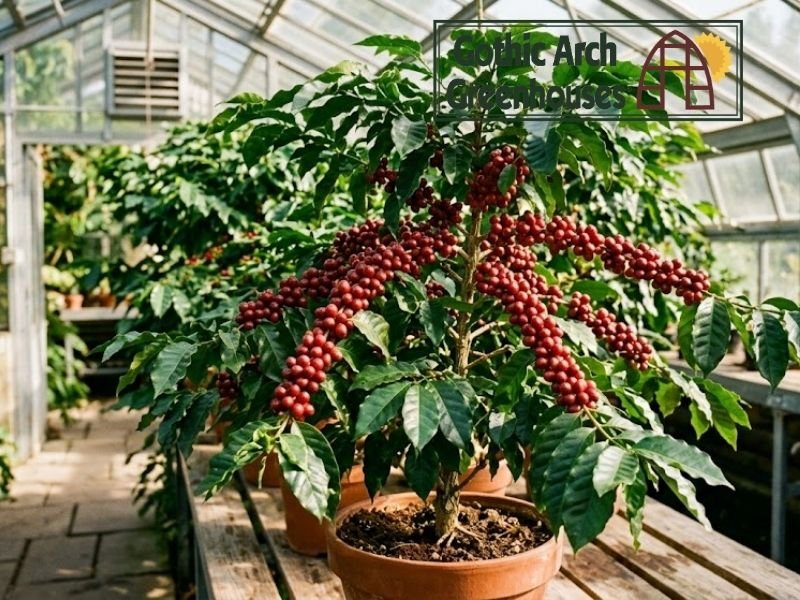
1. Coffee Arabica — From Cherry to Cup

Ripe red coffee cherries growing on a coffee plant inside a sunlit greenhouse, ready for harvestFresh coffee cherries ripening — yes, you can grow your own beans!
Imagine harvesting your own coffee beans from a plant that lives in your greenhouse. Coffee arabica is a stunning understory shrub with glossy leaves and fragrant white blossoms. It thrives in filtered light, high humidity, and consistent warmth — exactly what a greenhouse offers. In cooler climates, coffee would never survive outdoors, but inside your greenhouse, it becomes a conversation-starting producer. Plus, the cherries turn from green to ruby red — pure magic.

Pro tip: Keep temps above 60°F (15°C) and provide bright indirect light. Hand-pollinate flowers for better fruit set. It takes patience (3–4 years to fruit), but the payoff? Incredible.

 Unexpected tropical #2

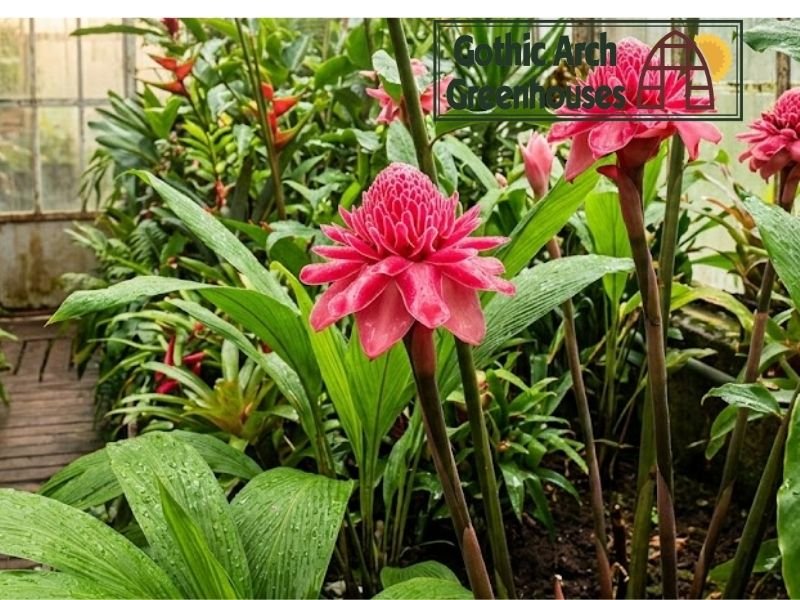
2. Ornamental & Culinary Ginger (Zingiber & Hedychium)

Bright pink torch ginger flowers blooming in a greenhouse with lush green leaves and humid environmentTorch ginger brings dramatic tropical flair — and some gingers are edible too.
Ginger is a showstopper. While common culinary ginger (Zingiber officinale) grows easily in pots inside a warm greenhouse, the real wow factor comes from ornamental gingers like torch ginger, shell ginger, or butterfly ginger. Their exotic, fragrant flowers look like they belong in a rainforest — and they'll bloom beautifully under glass. The best part? You can harvest fresh ginger rhizomes for cooking while enjoying the lush, bamboo-like foliage.


 Unexpected bromeliad #3

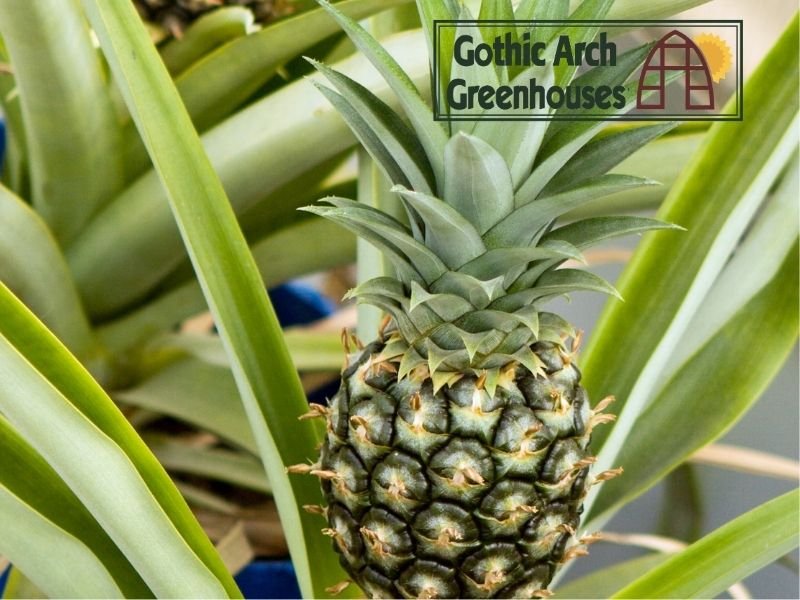
3. Pineapple — A Spiky Surprise That Loves Heat

Pineapple plant with a golden ripe fruit growing in a greenhouse pot, spiky leaves and warm ambiance
                       Yes, that's a real pineapple growing in a container — pure greenhouse magic.

Pineapples are surprisingly low-maintenance once you provide warmth and bright light. Start by twisting the crown off a store-bought pineapple, let it dry, then root in water or soil. Inside a greenhouse, it gets the consistent heat (65–85°F) and humidity it craves. After 18–24 months, you'll witness a compact cone-shaped fruit emerging from the center. It's a whimsical, delightful project that thrills kids and adults alike — and tastes infinitely better than store-bought.

Greenhouse superpower: No risk of frost, plus you can control pollination (though pineapples self-pollinate easily). A total conversation piece.

Unexpected (and precious) #4

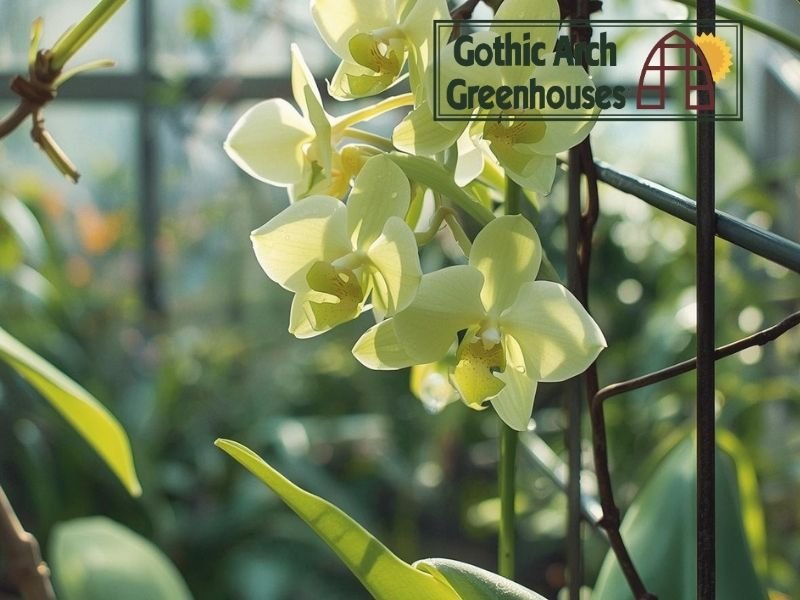
4. Vanilla Planifolia — The World's Most Flavorful Orchid

Vanilla orchid climbing up a trellis inside a greenhouse with delicate greenish-yellow flowers Vanilla orchids need hand-pollination, but the reward is pure, homegrown vanilla.
If you're ready for a gardening adventure, grow vanilla — the only orchid that produces an edible fruit (the vanilla bean). Vanilla planifolia is a vining tropical orchid that demands high humidity, warm nights, and bright filtered light. A greenhouse replicates the steamy understory of a Mexican forest. After the vine reaches maturity (3+ years), you'll get short-lived flowers that open early in the morning. Hand-pollinate each bloom, and months later — beans! Curing them is a labor of love, but homegrown vanilla is legendary.

 Unexpected fragrance #5

5. Tea Plant (Camellia sinensis) & Star Jasmine — Make Your Own Blends

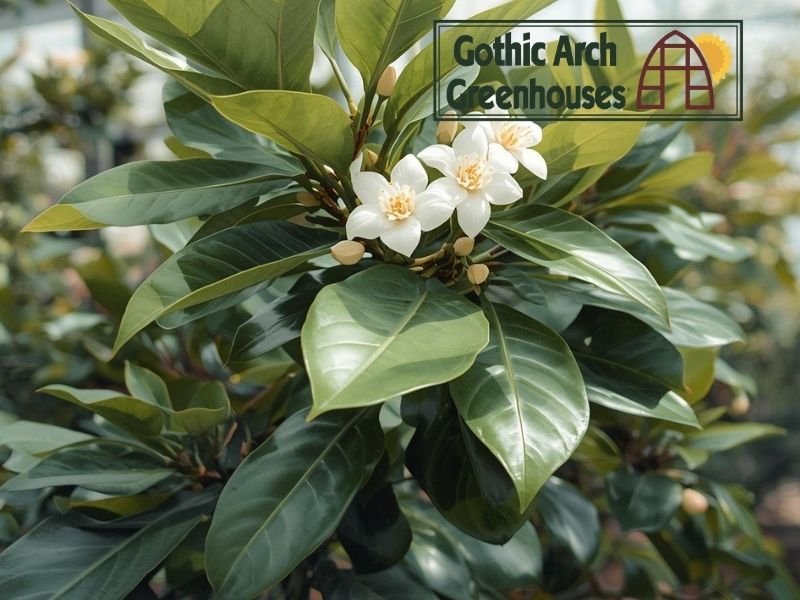
Camellia sinensis tea plant with glossy green leaves and small white flowers inside a greenhouseFresh tea leaves drying — from greenhouse to teacup.

Growing your own tea (Camellia sinensis) is deeply satisfying. This hardy evergreen prefers cool to mild temperatures but struggles with harsh frost. In a cold-climate greenhouse, you can protect it from winter extremes while still providing the seasonal shift that boosts flavor. Harvest young leaves, roll and dry them for green tea, or oxidize them for black tea. And for an unexpected twist: plant star jasmine (Trachelospermum jasminoides) nearby for its intoxicating scent. Jasmine tea at home? Yes, please.

Read next: Already curious about tropical plants, it pairs perfectly with today's inspiration. Learn how to create a mini monsoon inside your glasshouse!

 Greenhouse Basics for Unexpected & Tropical Success

Even if you're gardening in zone 4 or 5, a quality greenhouse — like the Gothic Arch Cypress Wood models — gives you year-round control. Here are a few quick pointers for growing these unusual plants:

  •  Humidity is key: Group plants, use a humidifier, or mist frequently. Tropicals love 60-80% humidity.
  •  Heating during winter: Even a small electric heater or thermal mass (water barrels) keeps nights above 55°F for coffee/vanilla.
  •  Shading & ventilation: Many tropical plants need bright but indirect light. Use shade cloth in summer and roof vents for air circulation.
  •  Container growing: All these plants do wonderfully in pots, so you can rearrange your greenhouse layout seasonally.
Remember: Experimentation is half the fun. You might fail with a vanilla bean the first time, but your greenhouse is the safest place to try again. Every leaf unfurled is a victory!

Ready to start your unexpected greenhouse garden? Whether it's sipping homegrown coffee or showing off a blooming torch ginger to your neighbors, these plants will transform your greenhouse into a world of wonder.

 Keep growing with us: Gothic Arch Greenhouses offers winter-ready structures that protect your tropical treasures, even during freezing months. 

© 2026 Gothic Arch Greenhouses — All Rights Reserved.


7 Powerful Ways School Greenhouses Help Students Thrive


Children and teacher planting vegetables inside a school greenhouse with bright natural light


 Growing Minds: 7 Powerful Ways School Greenhouses Help Students Thrive

Science, empathy, nutrition, and resilience — all rooted in a school greenhouse.

School greenhouses do much more than protect plants. They create a living classroom where students can explore science, food systems, and sustainability in a hands-on way. Instead of only reading about plant growth, students can observe it, measure it, and learn from it in real time.

For schools that want stronger STEM engagement and more active learning, a greenhouse can become one of the most valuable spaces on campus. It combines biology, chemistry, engineering, nutrition, and teamwork in a single setting. It also gives students a sense of ownership and pride as they care for living things and watch their work grow.

This guide covers the biggest benefits of school greenhouses, the most important planning steps, and a helpful resource from Gothic Arch Greenhouses for Schools & Institutions for schools exploring greenhouse options.

📚 Educational and Emotional Benefits of School Greenhouses

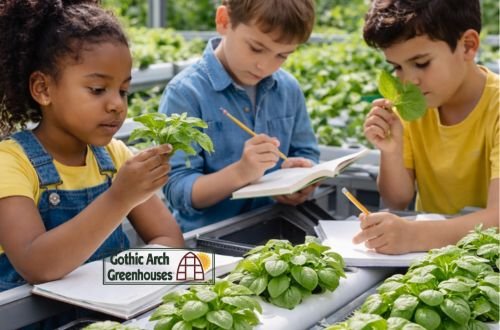
Students examining plant leaves and taking notes during a greenhouse learning activity

School greenhouses make lessons more concrete. Students can test soil, monitor temperature, track germination, compare plant growth, and collect data for STEM projects. These activities help turn abstract ideas into practical learning.

The benefits are not only academic. Greenhouse work also builds patience, responsibility, and teamwork. Students often feel more connected to what they learn when they can see results firsthand. A greenhouse can also become a calm, structured space that supports focus and confidence.

Food education is another major advantage. When students grow herbs, greens, or vegetables themselves, they often become more interested in trying fresh produce and understanding where food comes from.

Why this matters: School greenhouse spaces support hands-on STEM learning, outdoor classroom instruction, sustainability education, and healthy food awareness.

 How to Plan School Greenhouses for Long-Term Success

The best school greenhouses are designed with clear goals. Before choosing a structure, think about how the greenhouse will be used, who will maintain it, and what students need from the space.

1. Define the purpose

Decide whether the greenhouse will be used for biology labs, seed starting, vocational programs, food education, after-school clubs, or community projects. A clear purpose helps shape the layout and equipment.

2. Choose the right location

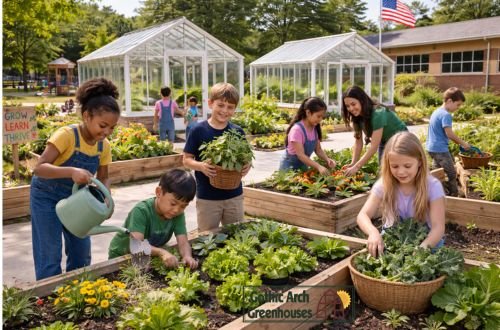
Modern greenhouse placed in a schoolyard near accessible pathways and raised garden beds

Pick a location with solid sunlight, good drainage, nearby water access, and a safe path from classrooms. Accessibility matters, so wide entries and practical work areas are worth planning from the start.

3. Use durable materials

Because school spaces are used regularly, durable materials are important. Polycarbonate panels are a common choice because they are durable, diffuse light well, and help with insulation.

4. Plan for ventilation and climate control

Ventilation, shade, and heating can make a major difference in plant health and classroom comfort. These systems also create useful teaching moments about climate and environmental control.

5. Make daily use easy

Water access, storage, benches, and simple irrigation systems help teachers and students use the greenhouse more effectively throughout the year.

Quick Checklist for School Greenhouses

  • Purpose: classroom use, food growing, STEM, or vocational learning
  • Location: sunlight, drainage, water, and access
  • Safety: durable panels, secure entry, slip-resistant areas
  • Accessibility: wider doors and flexible workstations
  • Climate systems: vents, shade, fans, and heating if needed
  • Operations: storage, irrigation, benches, and maintenance planning

Community and Sustainability Benefits

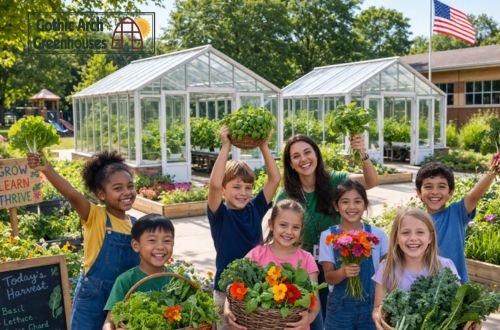
Students celebrating a harvest with baskets of greens and flowers from their school greenhouse

School greenhouses can become a hub for the wider community. They can support family garden nights, student plant sales, food education programs, and donation projects. This helps schools connect learning with service and real-world impact.

They also make sustainability easier to teach. Composting, water conservation, seasonal growing, and integrated pest management all become visible parts of everyday learning. Students do not just hear about sustainability. They practice it.

 FAQs About School Greenhouses

Why are school greenhouses useful?

They help students learn through hands-on projects involving science, sustainability, food systems, and teamwork.

What can students do in a greenhouse?

They can grow plants, run experiments, collect data, study nutrition, and learn about environmental systems.

What materials work well for school greenhouses?

Durable materials such as polycarbonate panels are often a practical fit because they are strong and help manage light and insulation.

Do school greenhouses support STEM?

Yes. They are especially useful for biology, chemistry, environmental science, engineering, and math-based observation projects.

How can a greenhouse help a school community?

It can support community events, school garden programs, student fundraising, and sustainability education.

What is the best Gothic Arch link for this article?

The most relevant link is the Schools & Institutions page because it closely matches the topic and reader intent.

 Final Thoughts

School greenhouses are one of the best ways to combine STEM learning, nutrition education, student engagement, and sustainability in one space. With thoughtful planning, they can become a lasting part of the school experience and a meaningful asset for the wider community.

If you publish this post, replace the placeholder canonical URL with your real page URL and swap the sample images for your own branded photos. That will make the page stronger for both search engines and users.


“The greenhouse is our favorite classroom — no bells, no walls, just wonder.”
Best external link for this article: Gothic Arch Greenhouses for Schools & Institutions.

© 2026 Growing Minds Initiative — Cultivating curiosity, one classroom greenhouse at a time. All rights reserved.

 Images include descriptive alt text for accessibility.

 Official school greenhouse resource: Gothic Arch Greenhouses for Schools & Institutions